

Grooming your pup should be one of those sweet bonding moments—you know, like something out of a dog food commercial. But then reality hits when your usually sweet furry friend suddenly thinks the groomer is public enemy number one.
Here's the thing: grooming aggressive dogs isn't something you tackle with a YouTube tutorial and good intentions. It takes real experience, patience, and honestly? Sometimes a little bit of magic. We've seen plenty of dogs who've been turned away from other groomers, and guess what? They're some of our favorite success stories now.
Did you know Hound Therapy is known for accepting dogs other groomers turn away? Book a consultation today for your dog with aggressive or special needs. We welcome anxious dogs, difficult dogs, aggressive dogs, senior dogs, and any dog with special needs!
Why Dogs Get Defensive (And It's Not Personal)
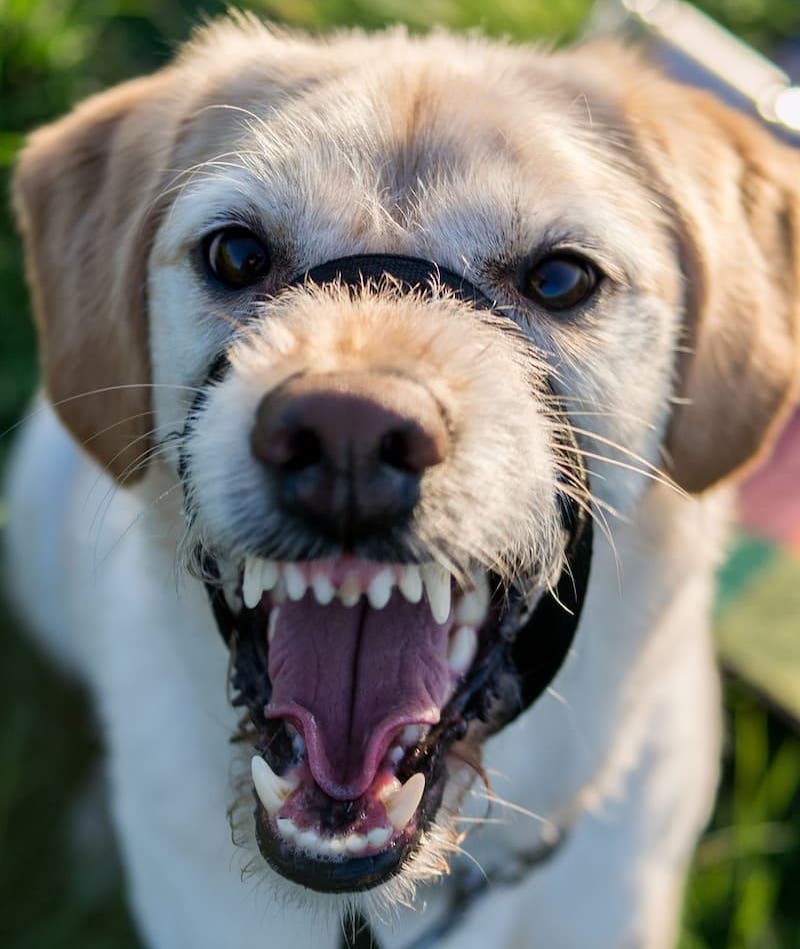
Dogs may feel the need to defend themselves for a number of reasons. They possibly have had previous bad experiences:
Look, your dog isn't plotting against you or trying to ruin your day. When pups get aggressive during grooming, there's usually a pretty good reason behind it.
Maybe they had a rough experience before—perhaps a groomer who rushed through the process or didn't notice they were scared. Or they could be dealing with some discomfort you haven't noticed yet (arthritis makes those nail trims extra uncomfortable, by the way).
Sometimes it's just the environment. Think about it—weird smells, unfamiliar sounds, and a stranger wanting to touch their paws? That's a lot for any dog to process.
Fun fact: Dogs have over 300 million scent receptors compared to our measly 6 million. So that grooming salon? It's like a sensory overload buffet for your pup.
The reality is that skipping grooming isn't an option. Your dog's health, comfort, and yes—their fabulous looks—depend on regular grooming. And when you've got a bigger dog who's decided they're not having it? Well, that's when things get really interesting.
Did you know Hound Therapy holds the most intensive Dog Grooming Classes in the United States? The sessions run a full 8 months and are geared towards learning EVERYTHING you need to know about grooming different breeds as well as how to run and grow a successful grooming business. Click here to read more details about our Dog Grooming Academy.
Insights Into How A Dog Thinks
Picture this: your dog walks into the grooming salon for the first time. Everything smells different. There are strange noises. And now some human they've never met wants to touch them all over with weird buzzing tools.
For many dogs, this triggers that ancient fight-or-flight response. But here's the catch—they can't exactly flee when they're on a grooming table, so fighting becomes their go-to strategy.
This doesn't make them a "bad dog" (we hate that label, honestly). It makes them a stressed dog who's doing what their instincts tell them to survive what feels like a threatening situation
Your dog's probably trying to tell you they're uncomfortable way before any actual aggression happens. Here's what to watch for:
The subtle stuff:
- Freezing up and refusing to move (not just being stubborn)
- Tucking their tail and lowering their head
- Avoiding eye contact or trying to back away
- That low, rumbling growl when you approach with grooming tools
The "we need to take this seriously" signs:
- Mouthing or putting teeth on you (even gently)
- Sharp barks, snarls, or more intense growling
- Quick snaps that might leave marks
- The full-contact approach—charging or attacking without warning
And here's something important: larger breeds who bite and shake? That's their way of trying to end what they see as a threat quickly. It's not calculated—it's pure instinct.
Groomer safety tip: If you see these signs, don't try to push through it or hold your dog down. That's how people get hurt, and it makes the fear even worse for next time.

Environmental triggers matter too. Sudden movements, the sound of clippers, certain tones of voice, or even other animals in the room can set off a reactive dog. The key is staying calm and confident while reading your dog's signals.
Keep Your Aggressive Dog Calm During Grooming
Okay, here's where we get into the good stuff—actually helping your pup chill out during grooming time.
1. Divert your dog's attention
When your dog is focused on something they hate (nail trims, anyone?), their brain goes straight to "nope, not happening" mode. But if you can redirect that attention...
Try a favorite toy, some calming music (yes, there's actually music designed for anxious dogs), or even just letting them look out the window while you work. We've had dogs who completely forgot about nail trimming because they were too busy watching squirrels outside.
Talk to your pup throughout the whole process. Not in that high-pitched "everything's fine!" voice that actually makes them more nervous, but in your normal, calm tone. "Hey buddy, just cleaning your ears. Almost done with this paw." They might not understand the words, but they understand your energy.
2. Practice desensitization and counterconditioning
This is basically retraining your dog's brain to think grooming = good things instead of grooming = run for your life.
Start by just showing them the nail clippers without using them. When they stay calm, give them something amazing—their absolute favorite treat, not just any old kibble. Do this until they see the clippers and automatically look at you like "where's my treat?"
Pro tip: Use a special treat that only comes out during grooming. High-value stuff like tiny pieces of chicken or freeze-dried liver. Make it so good that they start looking forward to grooming time.
3. Use short but frequent sessions
Nobody expects your dog to go from grooming-phobic to spa-day enthusiast overnight. Start with literally 5 minutes of just handling their paws, then gradually work up to actual nail trimming.
We often recommend bringing dogs in just for baths every couple of weeks initially. Let them get used to the sounds, smells, and general vibe of the grooming space. Then slowly add in more complex procedures as they get comfortable.
Real talk: This approach takes time and costs money upfront, but it's so worth it in the long run. A dog who's comfortable with grooming is a dog you can actually maintain properly.
4. Use positive reinforcement
Every single time your pup lets you touch their paws, clean their ears, or handle them calmly, make it rain treats and praise. We're talking celebration-level enthusiasm here.
The goal is to rewire their brain: grooming tools appear → amazing things happen → grooming must be good.
Find what motivates your specific dog. Some are food motivated, others prefer praise or play. Use whatever works and be consistent about it.
5. Initiate grooming while your dog is still young.
If you've got a puppy, congratulations—you've got a huge advantage. Puppies between 10 to 16 weeks are basically little learning sponges who think everything is an adventure.
Did you know that puppies have a "critical socialization period" that ends around 16 weeks? Everything they experience during this time shapes how they'll react to similar situations as adults.
Keep puppy grooming sessions short (their attention spans are basically nonexistent), but make them regular. This is especially important for nail trims since overgrown nails can cause pain and mobility issues.
6. Get your dog used to grooming tools.
Before you ever use grooming tools on your dog, let them investigate. Put the clippers on the ground and let them sniff, maybe even lick them (dogs explore with their mouths, after all).
At Hound Therapy, first-time dogs usually don't get haircuts on their initial visit. We focus on baths, light nail trims, and just getting them comfortable with the sensation of scissors and clippers moving around their body. No actual cutting—just getting used to the feeling and sounds.
The goal is comfort first, grooming second. Once they trust the process, everything else becomes so much easier.
7. Use preventive measures in unexpected situations
Sometimes, despite your best efforts, a dog just isn't going to cooperate. But they still need grooming for their health and comfort.
This is where you might need to consider anxiety wraps, natural calming supplements, or yes—sometimes muzzles for dogs who bite. We know muzzles have a bad reputation, but when used correctly, they're just another safety tool.
Important note: Medications should be a last resort and always discussed with your vet. They don't solve the underlying fear—they just make it manageable in the moment.

Tips to Remember
Start early: Get puppies used to handling ASAP
Create routine: Consistency is everything for anxious dogs
Environment matters: Quiet, comfortable space with minimal chaos
Reward everything: Good behavior gets great treats immediately
Go slow: Rushing never works with fearful dogs
Stay positive: Your energy affects their energy (seriously)
Have a plan: Know what you'll do if things go sideways
Get professional help: Some dogs need experts (and that's totally okay)
Be patient: This process takes time, but it's worth it

When to Call in the Pros
Look, there's no shame in admitting when you're in over your head. Some dogs need professional intervention, and trying to tough it out on your own can actually make things worse.
At Hound Therapy, we've worked with dogs who've been banned from other groomers. Dogs who've had traumatic experiences. Dogs who are just naturally more reactive. We get it, and we're equipped to handle it safely.
If your dog has ever actually bitten someone during grooming, or if you're genuinely afraid they might, please don't try to DIY this. A single bite can end a groomer's career—and cause serious injury.
Conclusion
Grooming aggressive dogs is part science, part art, and part patience. Understanding why your dog reacts the way they do is the first step toward helping them feel safe and comfortable.
With the right approach, most dogs can learn to at least tolerate grooming, and many actually come to enjoy it. It takes consistency, positive experiences, and sometimes professional help—but it's absolutely doable.
Remember: an aggressive dog isn't a bad dog. They're just a dog who needs a different approach. And with the right team supporting you (hint: that's us), even the most challenging pups can become grooming success stories.
Ready to help your pup love grooming time? Contact us today and let's create a plan that works for both of you.