

Doodles have become one of the most popular dog breeds in America, and their unique coats require special attention. These fluffy companions can sport various grooming styles, from the classic teddy bear cut to the practical puppy clip, each designed to keep their curly or wavy fur manageable while highlighting their adorable features. The right grooming style depends on your doodle’s coat type, activity level, and your maintenance preferences.
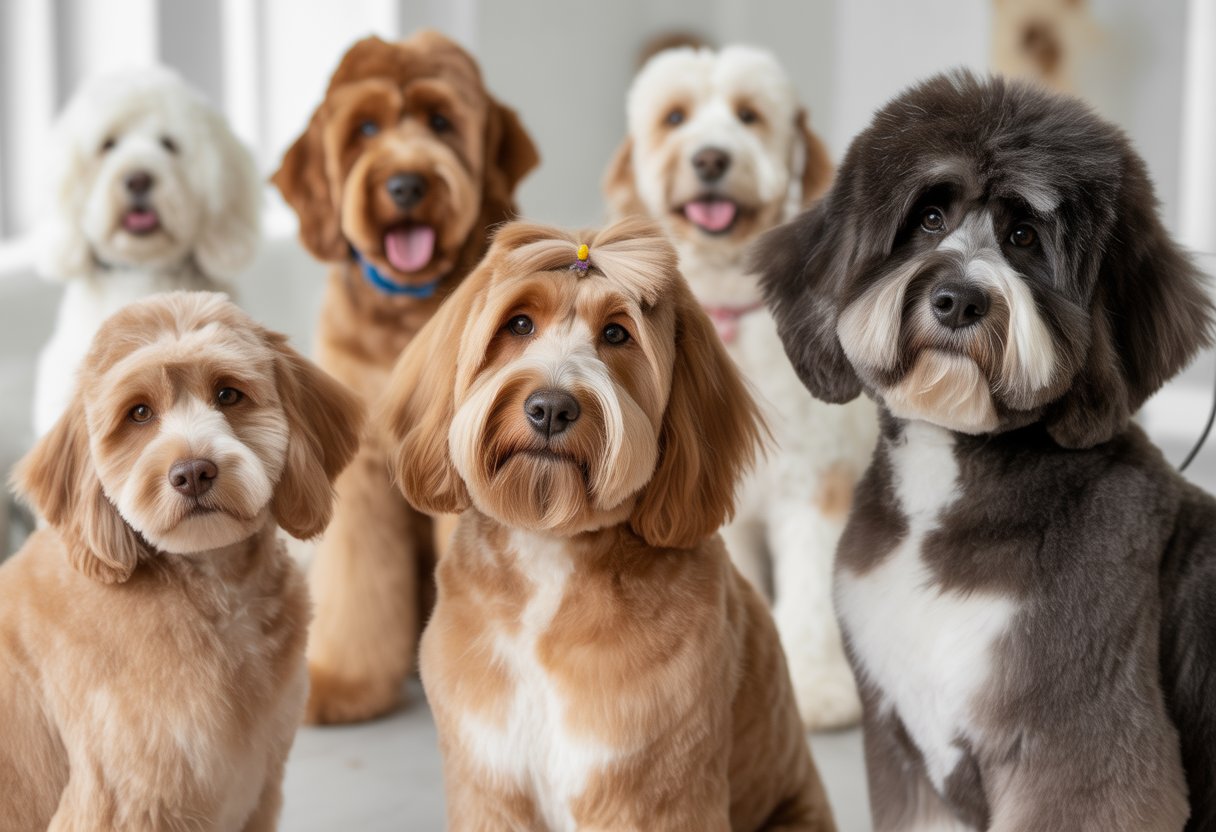
Many doodle owners feel overwhelmed when choosing a grooming style for their pet. Different cuts offer varying levels of maintenance, and what works for one doodle may not suit another. At Hound Therapy Pet Grooming, we help DFW pet parents understand which styles best fit their lifestyle and their dog’s needs.
This guide covers everything from popular cuts like the lamb trim to trendy options that keep your doodle looking fresh. You’ll learn about the tools needed for at-home maintenance, when to schedule professional grooming, and how to communicate your vision to your groomer.
Doodle Grooming Styles
Doodles require specialized grooming approaches due to their unique coat texture that combines traits from both parent breeds. Their hair grows continuously and mats easily without proper maintenance.
What Sets Doodle Hair Apart
Doodles have a distinctive coat structure that differs from both purebred poodles and their other parent breed. The hair texture falls somewhere between straight and tightly curled, creating waves or loose curls that need regular attention.
This coat type doesn’t shed like typical dog fur. Instead, it grows continuously and traps loose hair within the curls. Dead hair stays tangled in the coat rather than falling out, which leads to matting if not brushed frequently.
The hair texture varies significantly even within the same litter. Some doodles inherit curlier coats from their poodle parent, while others have straighter, fluffier hair. This unpredictability means each dog needs an individualized grooming plan based on their specific coat type.
Popular Doodle Breeds and Coat Types
Goldendoodles represent one of the most common doodle varieties, combining golden retriever and poodle genetics. Their coats range from wavy to curly, with colors including cream, gold, red, and apricot.
Other popular breeds include:
- Labradoodles – Labrador and poodle mix with three coat types (hair, fleece, or wool)
- Bernedoodles – Bernese mountain dog and poodle cross with thick, wavy to curly coats
- Aussiedoodles – Australian shepherd and poodle blend with medium-length, textured coats
- Sheepadoodles – Old English sheepdog and poodle mix featuring dense, curly coats
Curly coats require the most intensive grooming schedule. These tight curls mat quickly and need brushing every 2-3 days minimum. Wavy coats offer slightly easier maintenance but still demand consistent care to prevent tangles.
Doodle Grooming Versus Other Breeds
Traditional breeds with double coats shed seasonally and need different care than doodles. Breeds like huskies or German shepherds benefit from deshedding treatments, while doodles need mat prevention and coat management.
Purebred poodles have predictable, tightly curled hair that experienced groomers know well. Doodles present more challenges because their coat texture combines two breeds in unpredictable ways. Groomers must assess each dog individually rather than following a standard protocol.
Single-coated breeds like Yorkshire terriers have hair similar to human hair that grows long and straight. Doodles need more frequent professional grooming than these breeds because their textured coats create mats in hard-to-reach areas. Most doodles benefit from professional grooming every 6-8 weeks, compared to 8-12 weeks for many other breeds.
Key Doodle Grooming Styles
Doodle owners can choose from several classic grooming styles that shape their dog’s appearance and maintenance needs. Each style offers different benefits for coat management, weather protection, and overall upkeep.
Teddy Bear Cut
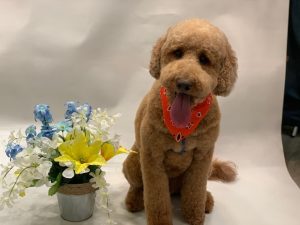
The teddy bear cut creates a rounded, fluffy appearance that makes doodles look like stuffed animals. Groomers trim the face into a circular shape and keep the body hair at 1-2 inches long.
This style works well for goldendoodles because it reduces matting while maintaining their signature fluffy look. The hair around the eyes gets trimmed short for better vision. The ears stay slightly longer to frame the face.
Most owners choose this cut for its adorable appearance and practical benefits. It requires brushing 2-3 times per week to prevent tangles. Professional grooming every 6-8 weeks keeps the shape looking fresh.
Puppy Cut
The puppy cut keeps hair uniform across the entire body at about 1-2 inches in length. This straightforward style makes doodles look young and playful regardless of age.
Groomers use the same clipper length on the body, legs, and tail. The face receives light trimming around the eyes and muzzle. Many goldendoodle owners select this option as their first professional grooming style.
This cut simplifies home maintenance significantly. Brushing once or twice weekly prevents most matting issues. The shorter length also helps dogs stay cooler in warm climates.
Lamb Cut
The lamb cut features a shaved body with fluffy legs that resemble a lamb’s natural coat pattern. The body hair gets clipped very short, typically under half an inch.
The legs remain full and fluffy from the knee down, creating a distinct contrast. The head usually receives a teddy bear-style trim. This goldendoodle haircut reduces grooming time while maintaining visual interest.
Dogs with this style need less frequent brushing on their bodies. The fluffy leg hair still requires regular attention to avoid mats. This cut suits active dogs who spend time outdoors.
Kennel Cut
The kennel cut trims all hair very short, usually under half an inch across the entire body. This low-maintenance style prioritizes function over fashion.
Groomers clip the body, legs, face, and tail to the same short length. The ears may stay slightly longer but remain close to the head. This practical option works well for dogs with severe matting or skin conditions.
Maintenance becomes minimal with this style. Brushing needs drop to once weekly or less. The short coat dries quickly after baths and doesn’t trap dirt or debris as easily.
Specialty and Trendy Haircuts for Doodles
Doodles can sport bold, creative styles that showcase their personality and keep them comfortable. These cuts range from dramatic transformations to playful designs that turn heads at the dog park.
Lion Cut
The lion cut creates a striking appearance by shaving the body short while leaving full fur around the head, neck, and chest. This style mimics a lion’s mane and works well for doodles during hot Texas summers.
The tail gets shaved except for a puff at the end. Many groomers leave the legs partially fluffy or completely shaved depending on the owner’s preference.
This cut helps prevent matting in high-friction areas like under the legs and belly. It also makes it easier to spot ticks and skin issues. The doodle lion cut requires maintenance every 6-8 weeks to keep the mane looking full and the body neat.
Best for: Hot weather, dogs prone to matting, owners wanting a dramatic look
Mohawk Cut
The doodle mohawk cut features a strip of longer fur running from the head down the spine while the sides stay shorter. This playful style adds edge and personality to any goldendoodle or labradoodle.
Groomers typically leave 2-4 inches of fur in the mohawk strip. The sides can be clipped to different lengths based on the season and owner preference.
This cut works as a fun variation of the doodle summer cut. The shorter sides keep the dog cool while the mohawk adds flair. Regular brushing of the longer strip prevents tangles and keeps the style defined.
Poodle Cut
The poodle cut brings traditional elegance to doodles with its sculptured, rounded appearance. This style features shorter body fur with carefully shaped legs, head, and tail pompoms.
Groomers clip the face, feet, and base of the tail close while leaving fur longer on the topknot and ears. The legs get shaped into cylinders with rounded feet.
This classic goldendoodle haircut requires skill to achieve balanced proportions. The body usually stays around one inch while leg hair can be 2-3 inches. Professional grooming every 4-6 weeks maintains the precise lines and shapes that define this sophisticated look.
Choosing the Right Grooming Style for Your Doodle

Your dog’s coat texture and daily activity level determine which grooming style works best, while practical needs often matter more than appearance alone.
Factors to Consider: Coat Type and Lifestyle
Doodle coats vary from wavy to tightly curled. A goldendoodle with loose waves can handle longer styles because the hair tangles less easily. Dogs with tight curls need shorter cuts to prevent matting.
Active dogs benefit from shorter trims. Puppies who play outdoors, swim frequently, or run through brush should wear practical cuts. Long hair collects dirt, burrs, and moisture.
Climate plays a major role in doodle grooming decisions:
- Hot Texas summers require shorter cuts for comfort
- Winter months allow longer coats for warmth
- Humid conditions increase matting risk with length
Owner maintenance time matters significantly. Longer goldendoodle haircuts demand daily brushing and more frequent professional visits. Busy families often prefer styles that need attention every 8-12 weeks instead of every 4-6 weeks.
Matching Haircuts to Your Dog’s Needs
The teddy bear cut suits most doodles with moderate activity levels. This style keeps hair 1-2 inches long across the body and creates a rounded face. It requires brushing three times weekly.
Sporting clips work well for athletic dogs. These cuts trim the body short while leaving slightly longer hair on the legs and tail. They reduce grooming time between appointments.
Kennel cuts offer the lowest maintenance option. The coat stays under one inch everywhere, which minimizes brushing requirements and keeps dogs cool. This practical choice fits goldendoodles who spend substantial time outside or have owners new to doodle grooming.
Face shapes influence grooming decisions too. Round faces pair well with shorter ear hair, while longer snouts can support more facial furnishings.
Essential Grooming Tools and Maintenance
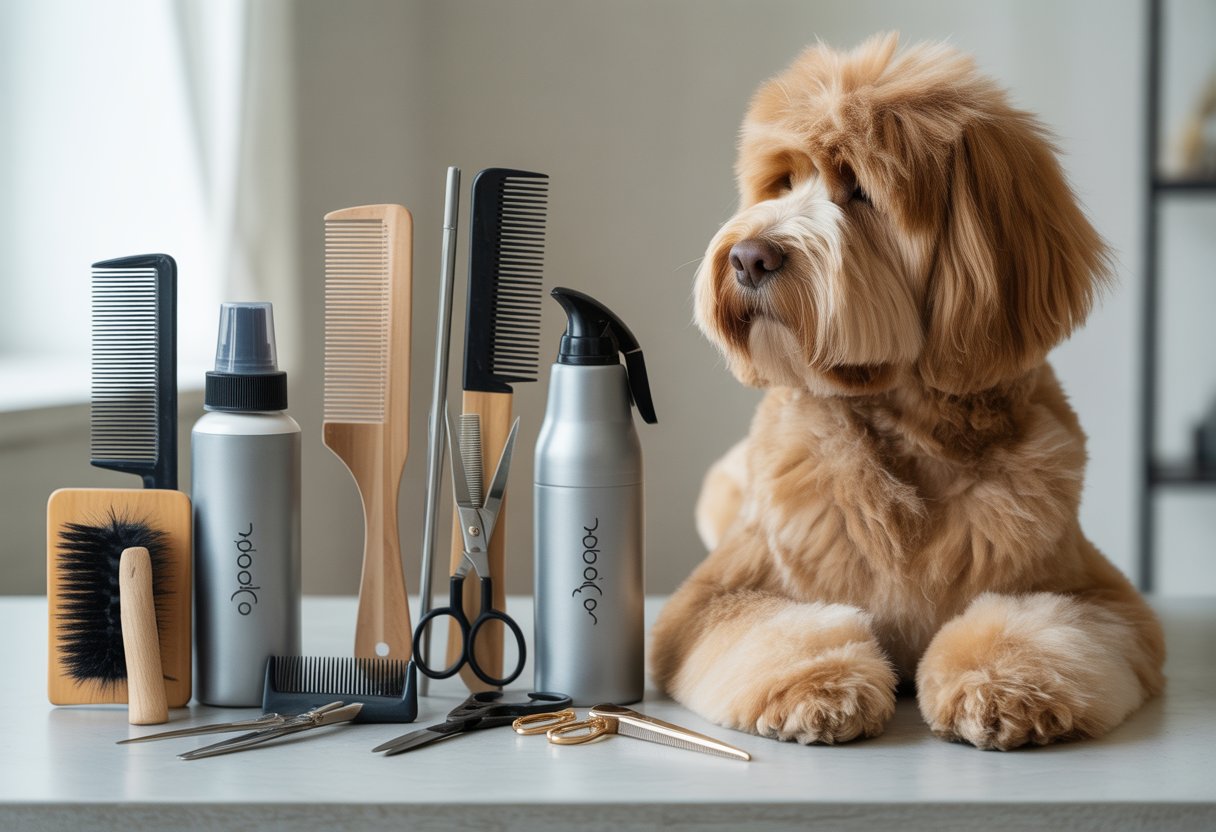
Proper tools make doodle grooming manageable at home. Regular brushing prevents mats, while correct bathing techniques maintain coat health.
Daily and Weekly Brushing Tips
A slicker brush works best for doodle coats. The fine, bent wires penetrate deep into curly coats without damaging the hair. Owners should brush their doodles at least three times per week.
Daily attention to high-friction areas prevents problems. These spots include behind the ears, under the collar, armpits, and the rear end. A metal comb helps check for missed tangles after brushing.
Work in sections from the skin outward. Start at the paws and move up each leg. Brush the body in layers, lifting the coat to reach underneath. Pay extra attention to the topknot area, which tangles quickly from regular petting and play.
Managing Matted Hair
Matted hair requires patience and the right approach. Never bathe a doodle with mats because water tightens them. Use a dematting tool or mat splitter to work through stubborn knots.
Hold the skin taut below the mat to avoid pulling. Work from the outside of the tangle toward the center. A detangling spray makes the process easier and less painful for the dog.
Severe mats may need professional grooming intervention. Groomers have specialized tools and experience handling difficult cases. Regular brushing prevents mats from forming in the first place.
Bathing and Drying at Home
Doodles need baths every 4-6 weeks. More frequent bathing strips natural oils from curly coats. Use lukewarm water and a moisturizing dog shampoo designed for their coat type.
Thoroughly wet the coat before applying shampoo. Work the product through in the direction of hair growth. Rinse completely because leftover shampoo causes skin irritation and attracts dirt.
Squeeze excess water from the coat with your hands. Pat dry with towels instead of rubbing, which creates tangles. A high-velocity dryer works faster than a regular blow dryer and helps straighten the coat for easier brushing.
Professional Grooming and At-Home Care
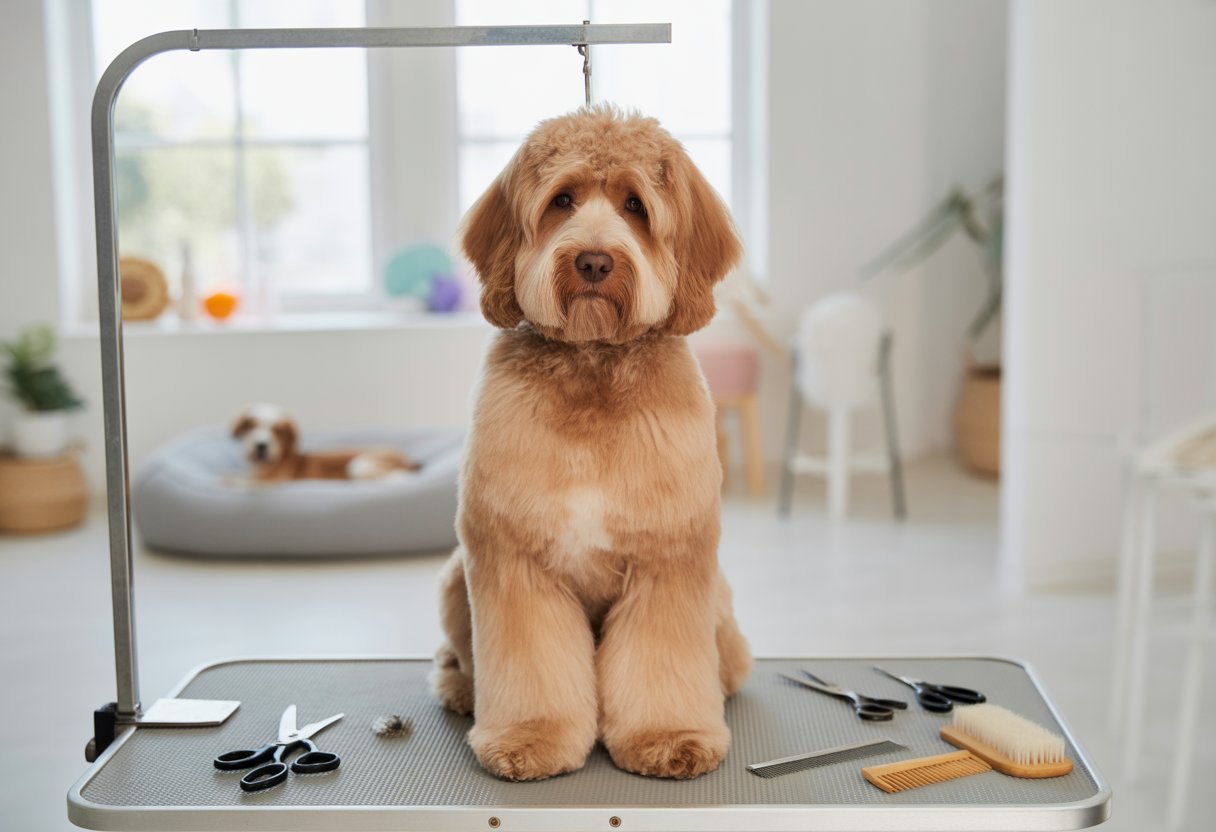
Doodles need regular grooming from trained professionals and consistent maintenance between appointments. The right balance keeps coats healthy and prevents painful matting.
Benefits of Professional Grooming
Professional groomers have specialized tools and training that most owners lack. They can spot skin issues, ear infections, and other health problems early.
A groomer handles the difficult tasks like sanitary trims, nail grinding, and anal gland expression. These jobs require specific skills and equipment. Most doodle owners find these tasks challenging or uncomfortable to do themselves.
Groomers also bathe dogs with professional products that clean thoroughly without stripping natural oils. They dry coats completely, which prevents moisture from causing skin problems. The proper drying technique also helps reduce matting.
Regular appointments every 6-8 weeks keep goldendoodle grooming manageable. Waiting longer creates dense mats that are painful to remove.
Preparing Your Doodle for the Groomer
Brush the coat thoroughly before the appointment. This removes loose hair and minor tangles, making the groomer’s job easier and faster.
Exercise your doodle before drop-off. A tired dog stays calmer during grooming sessions. Feed them a light meal 2-3 hours before the appointment to avoid upset stomachs.
What to Communicate:
- Specific style preferences
- Any sensitive areas
- Behavioral quirks or fears
- Skin conditions or allergies
- Medication changes
Bring reference photos if you want a particular look. Clear communication prevents disappointment with the final result.
Basic At-Home Trims and Maintenance
Brush your doodle every 2-3 days with a slicker brush and metal comb. Start at the skin and work outward in small sections.
Trim around the eyes weekly to maintain visibility. Use blunt-tip scissors and work slowly. Pull the hair taut and cut parallel to the face.
Paw pad hair needs trimming every 2 weeks. Long hair between pads collects debris and causes slipping. Trim flush with the pads using small scissors.
Essential Tools:
- Slicker brush
- Metal comb (wide and narrow teeth)
- Blunt-tip scissors
- Thinning shears
- Nail clippers or grinder
Check ears weekly and clean with a vet-approved solution. Doodles have floppy ears that trap moisture and debris. Wipe the outer ear gently with a cotton ball.
Frequently Asked Questions
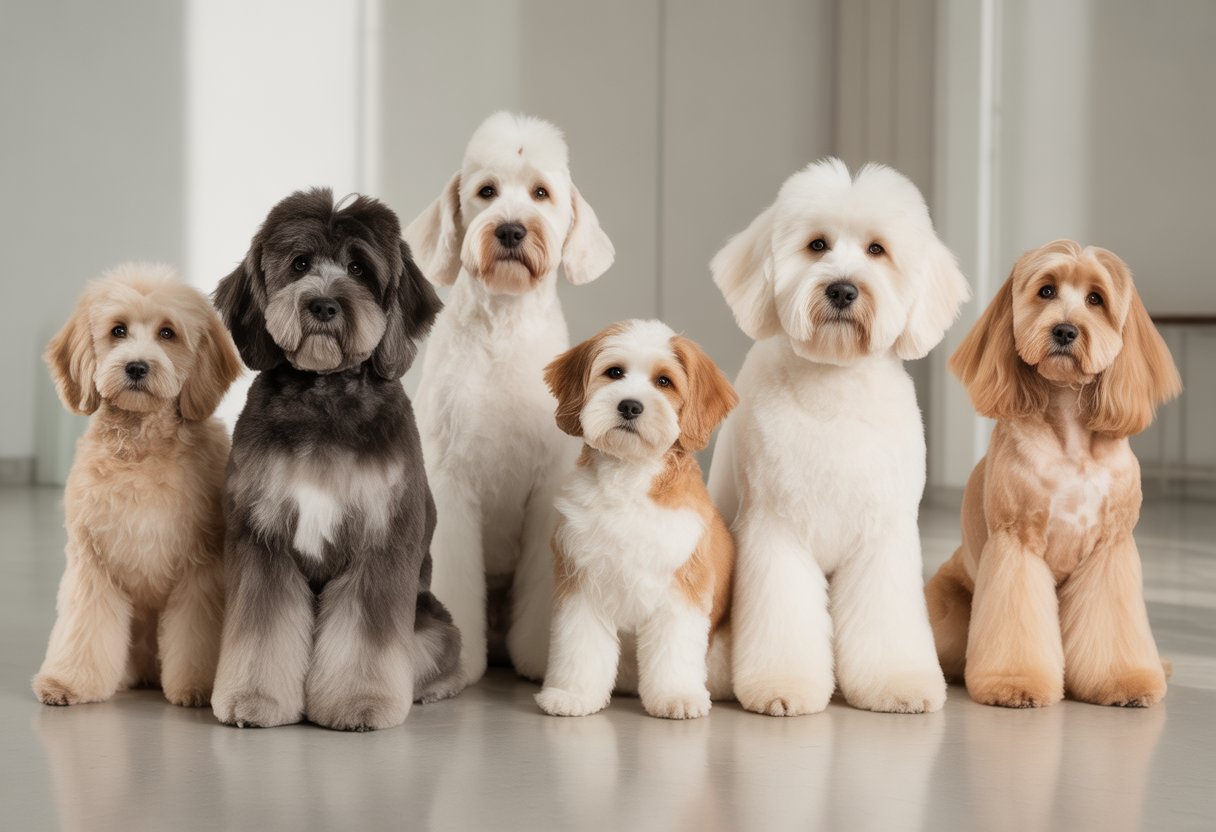
Choosing the right grooming style depends on lifestyle factors, coat maintenance preferences, and breed-specific characteristics. Common questions address haircut options, size-related grooming needs, and communication strategies with professional groomers.
How do I choose the right grooming style for my Labradoodle?
The choice depends on how much time an owner can dedicate to brushing and maintenance. Active dogs that swim or play outdoors often benefit from shorter cuts that prevent matting. Dogs that stay indoors more frequently can maintain longer styles with regular brushing.
Coat texture plays a major role in style selection. Labradoodles with curlier coats require more frequent professional grooming than those with wavy or straight coats. An owner should consider their dog’s activity level and their own grooming skills before selecting a style.
What are some popular short haircuts for doodle breeds?
The puppy cut keeps hair at one to two inches all over the body. This style works well for warm climates and reduces brushing time significantly. Most groomers can complete this cut in a single session.
The summer cut trims hair even shorter, usually around half an inch. This style keeps dogs cool during hot months and nearly eliminates mat formation. The kennel cut offers another short option that focuses on practicality over appearance.
Can you explain the differences in grooming requirements for mini, medium, and standard sized doodles?
Size affects the time required for grooming appointments and the frequency of professional visits. Mini doodles typically need 1.5 to 2 hours for a full groom. Standard doodles often require 2.5 to 3.5 hours for the same service.
Larger doodles have more surface area to brush and maintain between appointments. Their coats accumulate debris more quickly due to height and reach. However, all sizes need brushing every other day to prevent mats regardless of their dimensions.
Bathing frequency remains similar across sizes, though larger dogs require more shampoo and water. Mini doodles fit more easily in home tubs for maintenance between professional grooming sessions.
What is a teddy bear cut, and how is it executed on Goldendoodles?
The teddy bear cut creates a rounded, fluffy appearance that resembles a stuffed animal. Groomers trim the body hair to about two inches while shaping the face into a circular form. The legs receive slight tapering rather than dramatic sculpting.
This cut requires scissor work rather than clipper work for most areas. The face gets particular attention with careful trimming around the eyes and muzzle. Groomers blend the ears into the head shape to maintain the rounded silhouette.
Regular maintenance every six to eight weeks keeps this style looking fresh. Owners need to brush their Goldendoodle three to four times per week to prevent the longer hair from matting.
What should I consider when deciding on a grooming style for a female Goldendoodle?
Practicality should guide the decision more than gender-specific styling preferences. Female dogs don’t require different grooming approaches than males from a technical standpoint. The best style matches the dog’s lifestyle and the owner’s maintenance capabilities.
Some owners prefer slightly longer hair on female dogs for aesthetic reasons. This choice increases brushing requirements and grooming costs. Sanitary trims remain important for all dogs regardless of style preferences to maintain cleanliness.
How do I communicate effectively with my groomer to get the desired cut for my doodle?
Bringing reference photos provides clear visual examples of the desired outcome. Photos should show multiple angles including the face, body, and legs. Groomers can assess whether the style suits the dog’s coat type and growth patterns.
Specific measurements work better than vague descriptions. Stating “two inches on the body” gives clearer direction than “not too short.” Discussing problem areas like matting or sensitive spots helps groomers plan their approach.
First-time clients should arrive early to discuss expectations in detail. At Hound Therapy Pet Grooming, we schedule consultations to review coat condition and realistic style options. Building a relationship with a regular groomer leads to more consistent results over time.