

Your pup might be your best buddy, but when the grooming supplies come out? Well, that’s when your four-legged friend suddenly develops Olympic-level escape artist skills. You know the drill – one minute they’re happily wagging their tail, and the next they’re doing their best Houdini impression just to avoid a simple nail trim.
Here’s the thing: a clean, well-groomed dog makes everyone happier (including your furniture and your nose). But getting there when your dog treats bath time like it’s some kind of medieval torture? That takes a little strategy. And yes, you can absolutely learn how to restrain your dog safely and calmly for grooming at home – without turning it into a wrestling match.
Precaution before grooming
Let’s be real – you’ve probably been there. Your dog takes one look at the nail clippers and suddenly transforms into a wiggling, whining escape artist. Maybe they’ve tried the classic “play dead” routine, or gone full drama queen with the pathetic whimpering (even though you haven’t touched them yet).
Did you know that roughly 78% of dogs show some level of anxiety during grooming activities? Your pup isn’t being difficult for the fun of it. They’re communicating the only way they know how – through body language and behavior. When dogs squirm, growl, or try to bolt, they’re basically saying, “Hey human, this feels pretty scary right now.”

And here’s where it gets tricky. If your dog starts showing signs of serious stress – growling, snapping, or going rigid with fear – you need to pump the brakes immediately. This isn’t about being tough or “showing them who’s boss.” It’s about recognizing that your furry friend is genuinely uncomfortable, and pushing through could make things worse (not to mention potentially dangerous for both of you).
Take a breather. Try again when everyone’s feeling more chill. Trust us, your dog will remember if you respect their boundaries, and it’ll make future grooming sessions so much easier.
1. Invest in the right supplies.
Before you even think about restraining your dog, let’s talk equipment. The right tools can be absolute game-changers – they’ll make the whole process smoother for you and less stressful for your pup.
No-sit Haunch Holder as a grooming restraint:
This might sound fancy, but it’s basically like having an extra set of hands without the risk of getting nipped. A no-sit haunch holder goes around your dog’s neck and torso, then attaches to your grooming table or another sturdy surface. It keeps your dog in position while giving you the freedom to actually, you know, groom them. One of our clients swears by this for her Golden Retriever who used to think grooming time was “run around the house” time.

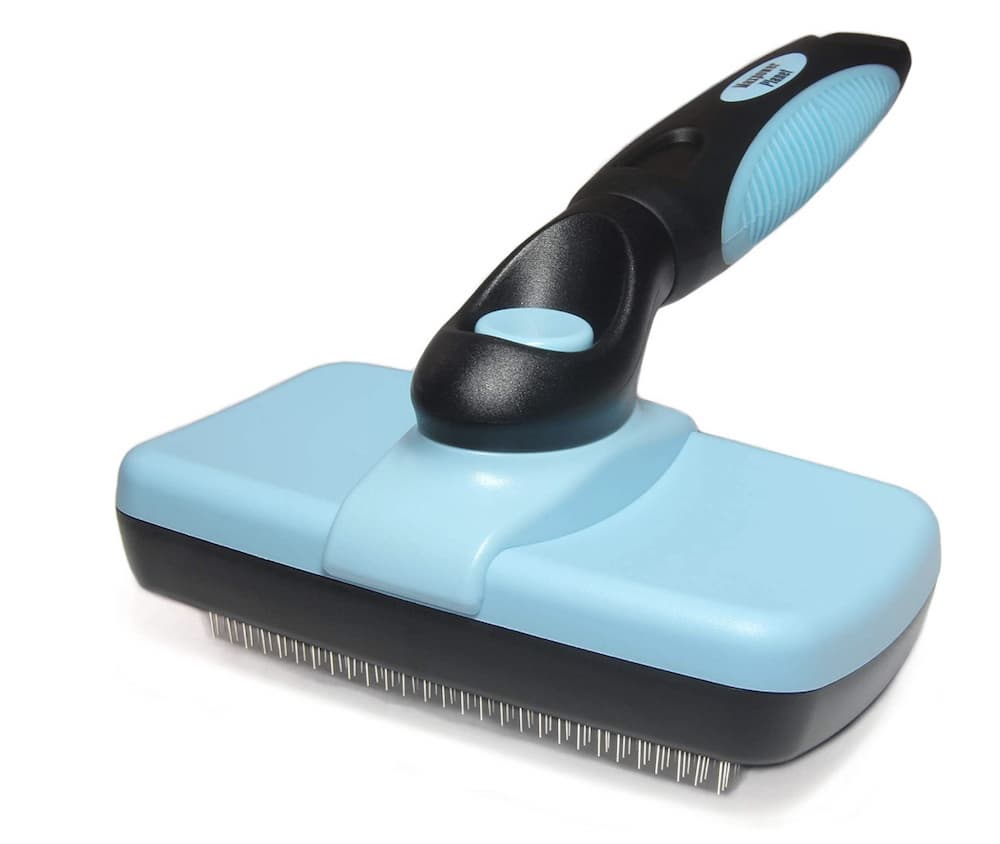
Slicker brush:
These brushes are fantastic for getting rid of tangles and loose fur without irritating your dog’s skin. We’ve seen dogs who actually start to enjoy brushing once they get used to a good slicker brush – it’s like a mini massage session.
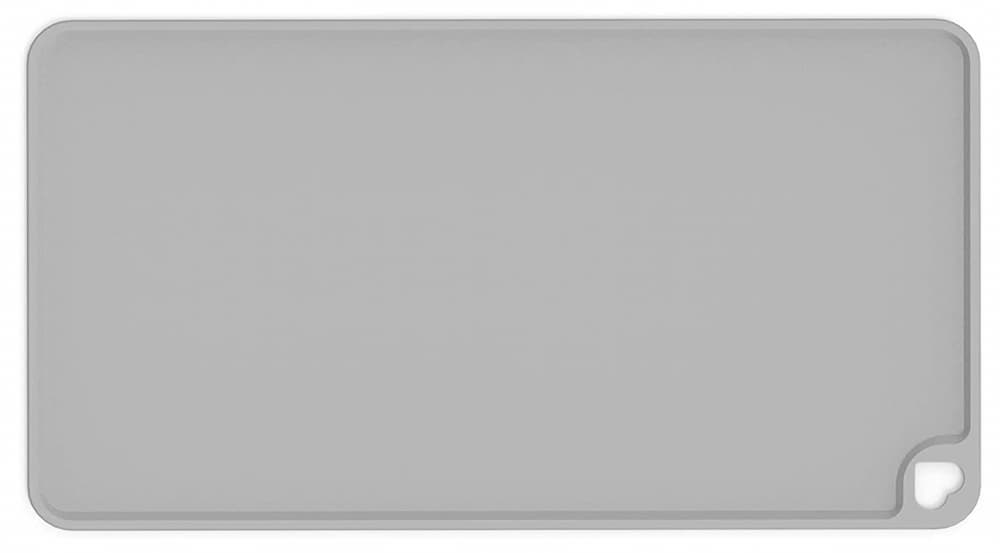
Non-slip mats or surfaces:
Ever tried to groom a dog who’s sliding around like they’re on ice? Not fun for anyone. A simple non-slip mat gives your pup stable footing and helps them feel more secure. You can grab these at pretty much any pet store, and they’re worth every penny.
2. Gather all materials necessary for grooming
Here’s something we learned the hard way: gathering all your supplies before you start isn’t just convenient – it’s essential. The minute you walk away to grab forgotten nail clippers, your dog’s going to see their chance and take it.
Get everything ready first: towels, shampoo, brushes, nail clippers, treats (lots of treats), and anything else you might need. Set up in a space where your dog feels comfortable – maybe their favorite corner of the living room or even outside if they love being in the yard.
If your dog is particularly squirmy or anxious, you might need to work in a smaller, contained area. Not to trap them (that’ll backfire fast), but to prevent the temptation to bolt when things get a little intense.
3. Introduce your dog to the idea of grooming gradually
Want to know a secret? The dogs that handle grooming best are the ones whose owners started with tiny, positive experiences. Begin with something super simple – like just running your hands over their fur while giving them treats and praise.
Did you know that positive associations can be formed in as little as 3-5 repetition sessions? Start with a soft brush and just brush for 30 seconds while feeding them something delicious. Your dog’s brain starts connecting “brush = good things happen.”
Gradually work up to longer sessions and more involved grooming tasks. Some dogs take to this quickly, others need weeks of slow progress. And that’s totally okay – you’re building trust, not rushing to a deadline.
4. Be prepared for resistance
Even if you’ve done everything right, your dog might still have days where they’re just not having it. Maybe they’re extra anxious, or maybe they’re having a dramatic day (yes, dogs have those too).
Here’s what we’ve learned from years of working with anxious pups: your energy matters more than you think. If you get frustrated or tense, your dog picks up on that immediately and things spiral from there. But if you stay calm and patient? Your dog’s more likely to settle down too.
When resistance happens, take it as information. Maybe they’re uncomfortable with nail trimmers but fine with brushing. Maybe they need more breaks. Maybe today’s just not the day, and that’s perfectly fine.
5. Reward good behavior
This is where the magic happens. Every time your dog does something right – stands still for five seconds, lets you touch their paw, doesn’t try to escape when you bring out the brush – make a big deal about it. Praise, treats, maybe even a little happy dance (dogs love when their humans act silly).
We worked with a rescue pup who was terrified of everything grooming-related. After weeks of rewarding tiny victories – like just sniffing the brush – he eventually became one of those dogs who actually enjoys spa day. It takes time, but positive reinforcement really works.
Tips for restraining your dog
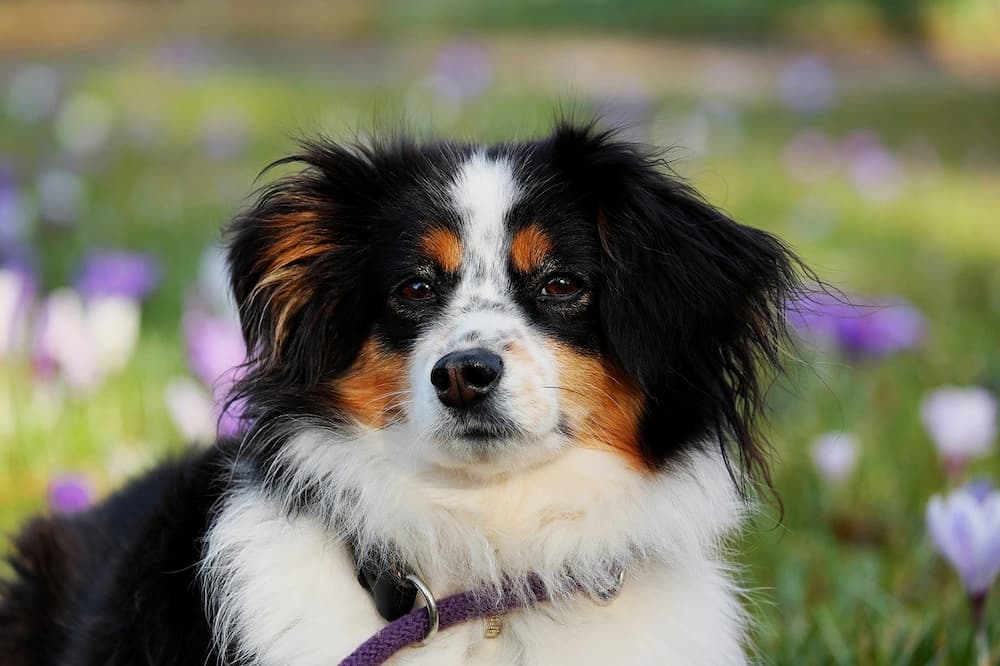
When you do need to use restraining equipment (like grooming loops), introduce it slowly. Let your dog investigate it while you’re giving treats and acting like it’s the best thing ever. Put it on for just a few seconds at first, then gradually increase the time as they get comfortable.
Never, ever use restraint as punishment. That’s a surefire way to make your dog even more anxious about grooming. The goal is to make restraint feel safe and normal, not scary.
Keep talking to your dog in a calm, reassuring voice throughout the whole process. You might feel silly having a conversation with your pup about how good they’re being, but they find your voice incredibly comforting.
Watch for stress signals – excessive panting, trembling, or trying to hide. If you see these signs, it’s break time. Sometimes the kindest thing you can do is recognize when your dog has hit their limit for the day.